
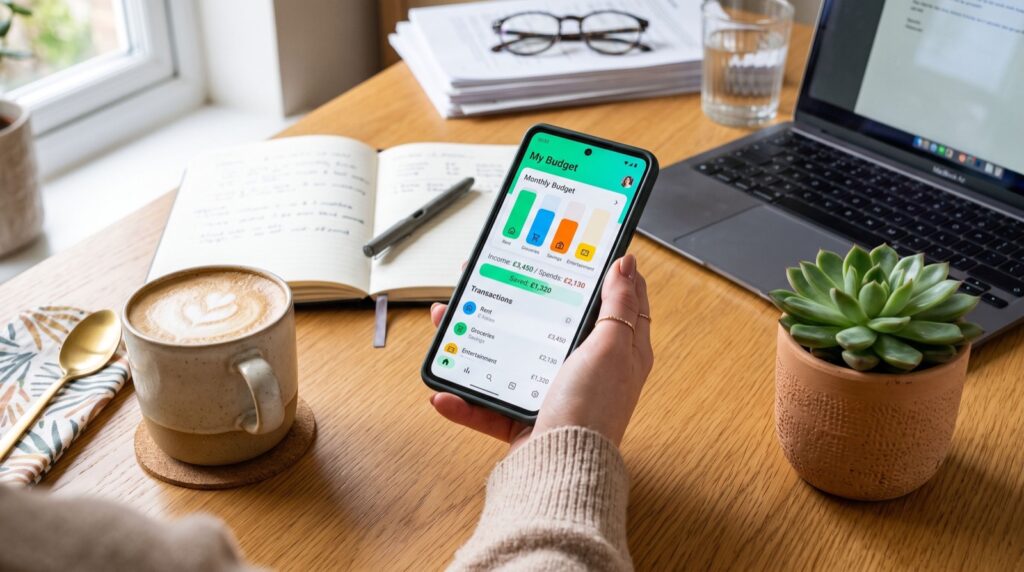
Best Money Apps 2026: 9 Tools to Save, Earn, and Invest Smarter
Your smartphone can now do almost everything a bank branch once did, and then some. The best money apps of 2026 help you save automatically, earn cash back on everyday purchases, invest spare change, and even pick up side income between paychecks. The catch is that with hundreds of options, it is easy to download the wrong ones and clutter your phone with tools you never use.
This guide cuts through the noise. Below you will find the categories of apps that deliver real value, a comparison table to help you choose, and practical tips for stacking a few tools together into a personal finance system that runs itself.
Why the Best Money Apps Are Worth Your Time
Financial apps succeed because they remove friction. Saving is hard when it requires willpower; it is easy when it happens automatically. Investing feels intimidating until an app lets you start with a single dollar.
The numbers back this up. Research summarized by the U.S. Securities and Exchange Commission shows that starting early and investing consistently, even in small amounts, dramatically increases long-term wealth thanks to compounding. Money apps make that consistency effortless by automating deposits and reinvesting returns.
The Main Categories of Money Apps
Before downloading anything, it helps to know what job each app is built to do. Most fall into one of these buckets.
- Payment and transfer apps. Send and receive money instantly with friends or merchants.
- Budgeting apps. Track spending and organize your cash flow.
- Savings apps. Round up purchases or auto-transfer to build a cushion.
- Investing apps. Buy fractional shares, ETFs, or crypto with low minimums.
- Cash-back and rewards apps. Earn money on shopping you already do.
- Side-income apps. Turn spare time into extra cash through gigs or surveys.
Comparing the Best Money Apps by Purpose
Here is a quick reference to match the right type of app to your goal in 2026.
| Goal | App Type | Key Benefit |
|---|---|---|
| Send money to friends | Peer-to-peer payment | Instant, fee-free transfers |
| Stop overspending | Budgeting | Real-time category tracking |
| Build an emergency fund | Automated savings | Effortless round-ups |
| Grow wealth long term | Micro-investing | Start with as little as $1 |
| Earn extra cash | Rewards and gig apps | Cash back and side income |
You do not need all of them. A curated shortlist of the best money apps usually beats a phone crowded with tools you open once and forget.
How to Build Your Personal Money App Stack
The magic happens when a few apps work together. Here is a simple, proven stack that covers spending, saving, and growing your money without overwhelming you.
- One payment app for daily transfers and splitting bills with friends.
- One budgeting app connected to your main spending account.
- One savings or round-up feature to build a cushion on autopilot.
- One investing app for long-term growth, funded with small automatic deposits.
A practical tip from real experience: automate the boring parts first. Set a small recurring transfer to savings and a fixed investing deposit on payday. Because the money moves before you can spend it, your budget adjusts naturally and your net worth climbs in the background.
Money Apps for Earning Extra Income
Beyond saving and investing, some of the most useful money apps help you earn. Cash-back apps refund a percentage of your shopping, gig apps connect you to flexible work, and survey or rewards apps pay for small tasks during downtime.
The key is to treat earnings as a bonus rather than a full income. Pair a couple of reliable rewards apps with your saving and investing stack, and funnel that extra cash straight into your goals. If you want tailored recommendations, the reviewers here partner with dependable specialists who test finance tools for real users.
Staying Secure With Financial Apps
- Use a unique, strong password for every finance app, ideally stored in a password manager.
- Enable two-factor authentication everywhere it is offered.
- Only download apps from official app stores and check developer reputation first.
- Review linked accounts periodically and revoke access to any app you no longer use.
How to Avoid App Overload and Fees
The biggest mistake new users make is downloading too many money apps at once. Ten apps you never open are worse than three you check regularly. Each extra app is another password to manage, another account linked to your bank, and another notification competing for your attention.
Fees are the other silent trap. Some apps charge monthly subscriptions, instant-transfer fees, or premium tiers you may not need. Before committing, read the fee schedule carefully and ask whether the paid version genuinely saves you more than it costs. For many people, the free tier of a well-chosen app is more than enough.
A simple rule keeps things clean: for every new app you add, review whether an existing one already does the job. Consolidation beats collection. The goal is a lean toolkit that runs your finances quietly in the background, not a cluttered home screen you dread opening.
Track your net worth in one place
As your money app stack grows, use one dashboard to see the whole picture. Many budgeting apps now aggregate balances from checking, savings, investments, and credit cards into a single net-worth figure. Watching that number climb month over month is surprisingly motivating and helps you spot problems, like creeping credit-card debt, before they get out of hand.
Frequently Asked Questions
What are the best money apps for beginners?
Beginners should start with one payment app, one budgeting app, and one automated savings feature. This trio builds strong habits without overwhelming you, and you can add an investing app once you are comfortable.
Are money apps safe to use?
Reputable money apps use bank-grade encryption and secure connections. Protect yourself further by enabling two-factor authentication, using strong passwords, and downloading only from official app stores.
Can money apps actually help me build wealth?
Yes. By automating savings and investing, these apps enforce the consistency that drives long-term growth. Even small, regular contributions compound significantly over time.
How many money apps should I use?
Most people do well with three to four: a payment app, a budgeting tool, a savings feature, and an investing app. Avoid downloading more than you will actually check and manage.
Final Thoughts
The best money apps of 2026 turn your phone into a personal finance command center. Pick one tool for each core job, automate the deposits, and let consistency do the work. Save, earn, and invest smarter starting today, and your future self will thank you for the head start.