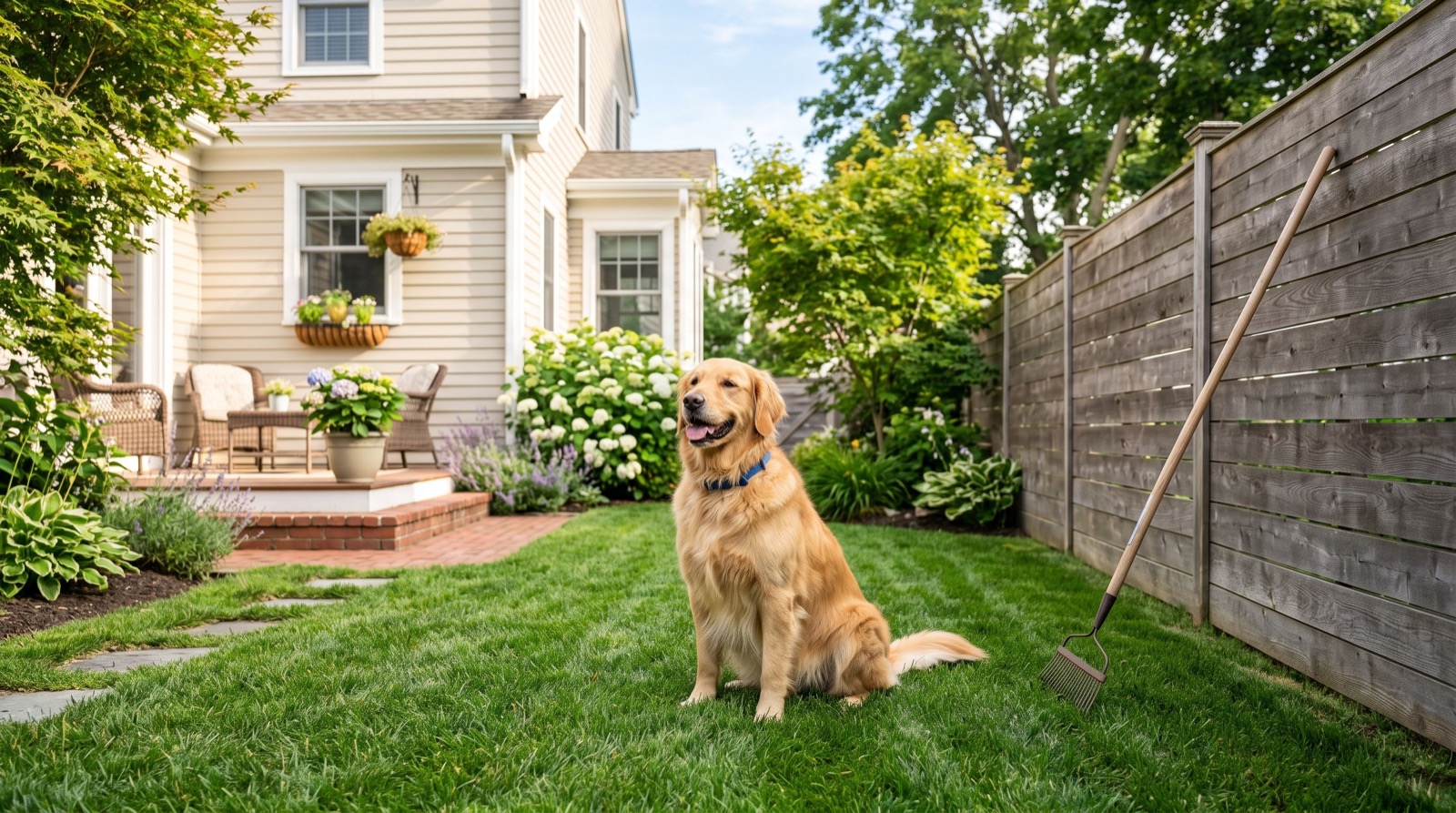
How to Choose a Pooper Scooper: The 2026 Buying Guide
Buying the right pooper scooper sounds simple until you stand in the aisle staring at rakes, claws, and spring-loaded jaws. The truth is that the best tool depends on your dog, your yard surface, and how often you clean up. A good pooper scooper turns a dreaded chore into a ten-second, hands-clean routine that protects your family and your lawn.
This guide walks through every decision that matters in 2026, from handle length to jaw style to the surface under your feet. By the end, you will know exactly which features to prioritize and which marketing gimmicks to skip. Let us dig in.
Why the Right Pooper Scooper Actually Matters
Dog waste is not just unsightly. A single gram can contain millions of bacteria, and studies from the U.S. Environmental Protection Agency classify pet waste as a genuine source of water pollution when it washes into storm drains. Cleaning up promptly keeps your yard, your shoes, and your local watershed cleaner.
The right tool also protects your back. Bending and twisting with a flimsy scoop hundreds of times a year adds up. Ergonomic design is not a luxury; it is joint insurance for anyone who cleans up daily.
The Main Types of Pooper Scoopers
Most tools fall into three mechanical families. Each has a clear strength depending on surface and dog size. Understanding these categories is the fastest way to narrow your search.
- Jaw (clamshell) scoopers: Two hinged cups close around the waste with a squeeze grip. They excel on grass, gravel, mulch, and uneven ground because they scoop rather than rake.
- Rake-and-tray sets: A flat tray plus a separate rake. Best on short grass and hard surfaces, but they require two hands and two pieces.
- Claw scoopers: Spring-loaded prongs grab from above. Compact and light, though they can smear on soft solids or hard flat ground.
If you want a single tool that handles most yards, a jaw-style model is the safest all-rounder. It is the design I recommend most often to first-time buyers.
Jaw vs Rake vs Claw: A Quick Comparison
| Type | Best Surface | Hands Needed | Learning Curve | Storage |
|---|---|---|---|---|
| Jaw / clamshell | Grass, gravel, mulch, dirt | One | Very easy | Compact |
| Rake + tray | Short grass, concrete | Two | Moderate | Bulky (two pieces) |
| Claw | Grass, mixed terrain | One | Easy | Very compact |
Handle Length and Ergonomics
Handle length is the single most overlooked spec. A handle that is too short forces you to hunch, while one that is too long feels clumsy in tight spots. As a rule, the top of the handle should reach somewhere between your hip and your waist when the head rests on the ground.
Look for a long-reach design if you have back or knee issues, or if you clean up for multiple dogs. If you want a durable, long-handled option, this Pooper Scooper nearby style tool keeps you fully upright throughout the job. Comfort grips and lightweight aluminum shafts also reduce hand fatigue over time.
Materials: What Lasts and What Fails
Materials decide whether your scooper survives one winter or ten. Cheap plastic cracks in cold weather and warps in summer heat left on a deck. Metal and high-grade polymer cost a little more upfront but pay off in longevity.
- Aluminum shafts: Light, rust-resistant, and stiff. The best balance of weight and strength for daily use.
- Powder-coated steel: Extremely durable but heavier. Good for heavy-volume commercial use.
- Reinforced ABS or nylon heads: Tough scooping edges that resist chipping on gravel and concrete.
- Rubberized grips: Prevent slipping when your hands are wet or gloved in winter.
Avoid thin, brittle plastic scoops sold purely on price. They feel fine in the store and snap the first time you hit a frozen pile.
How Do You Match a Pooper Scooper to Your Yard Surface?
Your ground type matters as much as your dog. The wrong edge either misses waste or drags up your lawn and gravel with it. Here is how the surfaces break down.
- Grass: Jaw and claw models both work well. Avoid flat trays that cut into turf.
- Gravel or mulch: Jaw scoopers win because they close above the loose material instead of scooping it up.
- Concrete or pavers: Rake-and-tray sets shine on smooth, hard surfaces where the tray sits flush.
- Dirt and mixed terrain: A jaw scooper with a serrated edge grips without digging.
If your property mixes lawn, driveway, and a gravel dog run, prioritize a jaw model. Its versatility saves you from owning three different tools.
Sizing to Your Dog
Small breeds produce small waste, so an oversized head just adds weight and awkwardness. Large and giant breeds, on the other hand, need a wide jaw and deep capacity so you are not making multiple passes. Match the head opening to your dog’s typical output.
Multi-dog households should always size up. A larger capacity means fewer trips to the bin and less bending overall. When comparing models, a reliable Pooper scooper with a generous jaw opening will comfortably handle everything from a terrier to a mastiff.
Features Worth Paying For in 2026
Beyond the basics, a few modern upgrades genuinely improve the experience. Bag-clip attachments hold a waste bag open inside the jaw so debris drops straight in. Rust-proof coatings extend outdoor life, and one-handed spring mechanisms free your other hand for the leash.
For homeowners who value convenience, teaming a quality scooper with the right disposal bags is the real time-saver. If you are also lining up other home help, plenty of quality service providers take a similar quality-first approach worth borrowing.
Frequently Asked Questions
What is the best type of pooper scooper for a large yard?
A long-handled jaw scooper is usually the best pick for a large yard because it lets you clean while standing upright and works across grass, gravel, and dirt without swapping tools.
How often should I scoop my yard?
Aim for every one to two days. The American Veterinary Medical Association notes that prompt removal reduces parasite and bacteria exposure for both pets and people.
Are metal or plastic pooper scoopers better?
Metal shafts with reinforced polymer heads last far longer and resist cold-weather cracking. Pure budget plastic is fine for occasional light use but tends to fail quickly under daily strain.
Can one pooper scooper work on both grass and concrete?
Yes. A jaw-style scooper with a firm serrated edge adapts to both, which is why it is the most versatile choice for mixed-surface properties.
Final Thoughts and Next Step
Choosing a pooper scooper comes down to three questions: what surface do you clean, how big is your dog, and how much bending can your body handle. Answer those honestly and the right tool becomes obvious. In 2026, a durable jaw-style model with a long ergonomic handle satisfies the widest range of homes.
Invest once in a quality pooper scooper and pair it with strong waste bags, and yard cleanup stops being a chore you dread. Ready to upgrade your routine? Explore a purpose-built tool today and take the strain out of every scoop.